Examining the mechanisms of media use from a functional perspective
(1) how entertainment media can serve important functions for individual users
(2) how entertainment serves social functions for groups and communities
(3) how narratives reflect and can reshape our understanding of the social world

CURRENT & RECENT PROJECTS
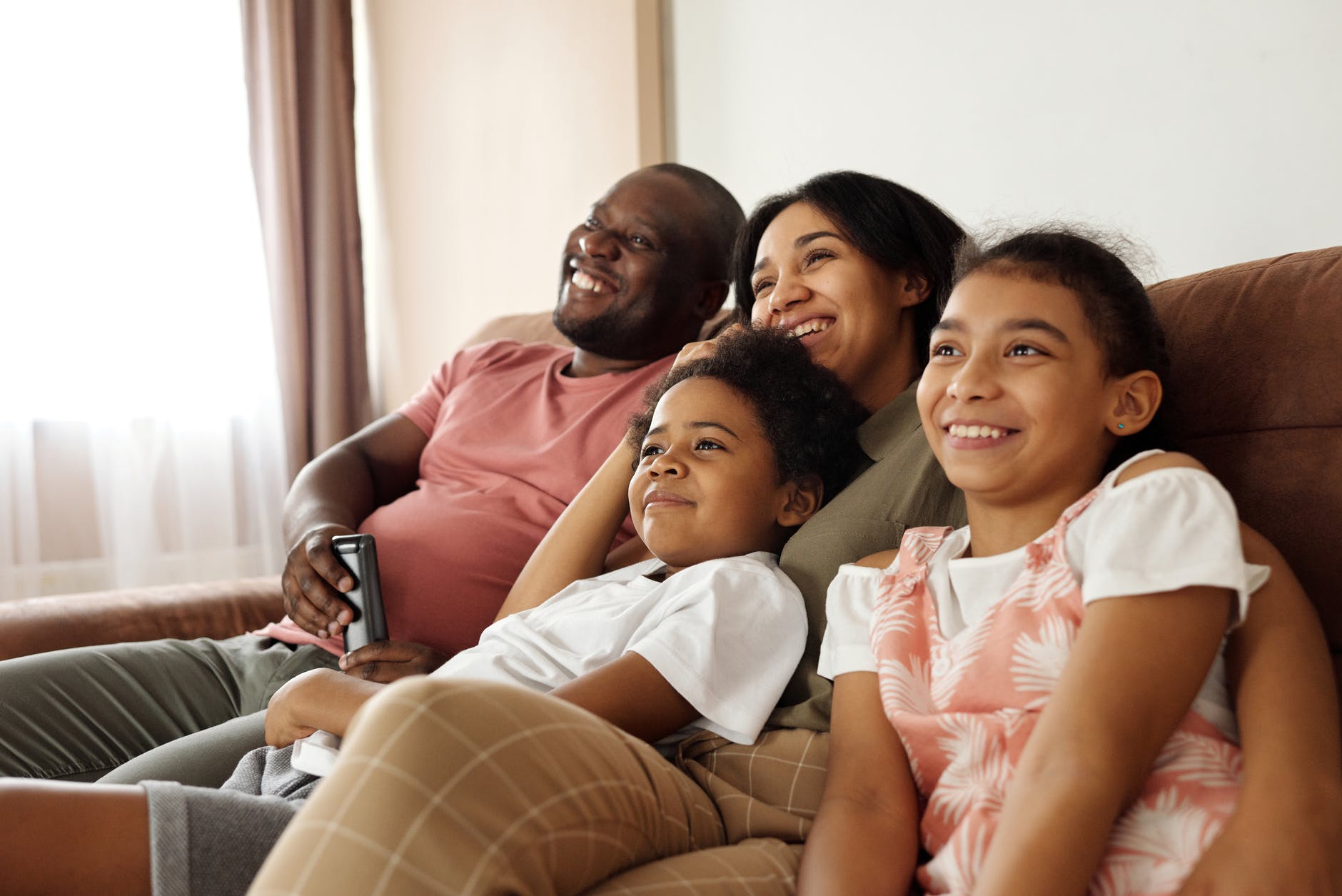
Social Factors & Functions of Media Use
Media psychologists know a lot about how individuals use media. But there is so much we don’t yet know about how social processes impact these experiences.
This work seeks to understand how the people around us impact how we use media — and how media impacts our relationships. This includes understanding the social cognitive processes underlying narrative engagement; how we pick media to connect with people like us; and how stories about relationships can impact how close we feel to the people who matter to us most.

Media for Coping
People all over the world turn to media when they are stressed, depressed, lonely or worried. It’s therefore crucial that we understand how media supports users’ self-regulation (and when this strategy is and is not effective).
Mixed methods and longitudinal work examines how media is used in response to environmental stressors to manage and regulate internal need-states. In the long run, I hope this can inform intuitive, low-cost, high-impact intervention strategies.
Grady, S.M., Tamborini, R., Eden, A., Van Der Heide, B. (2022). The social factors & functions of media use. Journal of Communication.
Lu, C. Grady, S.M., & Baek, E.C., (2026, September) When Minds Fail to Align: Loneliness and Neural Convergence in Social Interaction. Paper presented at Communication Science Futures, East Lansing, MI.
Grady, S.M, Gong. X, Wilson, J.M. (2026, November) Mood-related media use between- and within-subjects: Evaluating mood management theory using a 1-week daily diary study. National Communication Association, New Orleans, LA. Communication & Social Cognition Division. Top Paper Award
Dooley, A. & Grady, S.M. (2026, November). Good days & bad days: Media preferences, coping strategies, anxiety & depression. National Communication Association, New Orleans, LA.
Grady, S.M., Eden, A., Johnson, B. K., Reinecke, L. (2022) Media Experiences During Social Distancing. Technology Mind & Behavior.
Eden, A., Johnson, B. K., Reinecke, L., Grady, S.M. (2020). Media for coping during covid-19 social distancing: stress, anxiety, and psychological well-being. Frontiers in Psychology, 11, 1554-1078
Grady, S.M., Ellithorpe, M., Wirz, D., Ulusoy, E., Vinjamuri, S., Eden, A. (2026). Intellectual TV harms relaxation, games help us detach? Different attributes of bedtime media are associated with multiple types of recovery. PSYCHOLOGY OF POPULAR MEDIA [link]
Grady, S.M., Eden, A., Wolfers, L.N. (2026). Examining Comfort Media: A Tool for Self-Regulation and Refuge? MASS COMM & SOCIETY.

Judging Pretend People & Social Models of Interaction
Scientists and philosophers have suggested that we learn about social interaction by observing characters, like those in books and on tv.
But how these social models are processed, stored in memory, and applied in real life interactions is less clear. These studies examine how audiences judge and experience fictional characters as social entities — and future work will test how these fictional experiences impact real world social decision-making.

Cognitive Models of Media Processing
When we want to understand how media is experienced, the brain is an essential intermediary in this process: determining what we pay attention to, how information is processed, and ultimately how we make sense of and label those experiences.
These investigations attempt to understand the mechanisms of media exposure and effects, and particularly how they might vary between audiences and types of content.
Grady, S.M., Schmaezle, R., Baldwin, J., (2022). How shared brain activity varies over the course of a narrative in regions associated with social cognition and story comprehension. Projections.
Haverkort, C.G., Grady, S.M., Dalmaans, S., & Eden A. (2025). Meaning-Making from Films: A multi-method exploration of meaning-making in self-selected meaningful films. PROJECTIONS 19(1).
Brown, L. & Grady, S.M. (2026, November). Interest-value: An additional predictor of character liking. National Communication Association, New Orleans, LA.
Grady, S.M, Wirz, D., Ellithorpe, M., Ulusoy, E., Eden, A. (2026) Do I need pleasure, meaning, or new ideas today? Exploring the relationship between daily experiences, motivations for media use, and content preferences. JOURNAL OF MEDIA PSYCHOLOGY.
Grady, S.M, Baldwin, J., Dooley, A.s (2026, June) Ease and Constraints on Enjoyment and Appreciation: The Role of Narrative Challenge. International Communication Association Conference, Cape Town South Africa. Communication Science & Biology Interest Group Top Paper Award
Tamborini, R., Grady, S.M., Baldwin, J., McClaran, N., Lewis, R. (2021) The Narrative Enjoyment and Appreciation Rationale. In the Oxford Handbook of Entertainment Theory, Vorderer, P., & Klimmt, C. (Eds.), Oxford University Press.
I approach research from a rigorously collaborative and interdisciplinary perspective.
I work with scholars all over the world and embrace open, public, transparent practices which enhance our ability to replicate scientific discovery.
I embrace the principles of open science, and often use pre-registration protocols and open data practices. Materials for previous work are available through repositories such as AsPredicted, OSF, and GitHub.

